17 Genius Small Hotel Style Bedroom Ideas That Make Tiny Rooms Look Expensive
A small bedroom can feel just as luxurious as a boutique hotel suite when designed with intention. High-end hotels don’t rely on size—they rely on balance, calm color palettes, smart layouts, and visual discipline. Every element serves a purpose, and nothing feels random or overcrowded.
These 17 small hotel-style bedroom ideas focus on whole-room design, helping you create a space that feels refined, spacious, and thoughtfully curated. Each idea works even in tiny rooms and instantly upgrades the overall look.
1. Soft Neutral Color Scheme That Opens the Room
Neutral colors are the foundation of luxury hotel bedrooms because they visually expand space and create a calming atmosphere. Shades like warm white, beige, taupe, and soft grey reflect light instead of absorbing it, making walls appear farther apart. In small rooms, this effect is crucial for avoiding a boxed-in feeling. Hotels often layer multiple neutral tones rather than using stark contrasts, which keeps the room cohesive and elegant. A neutral palette also allows textures—fabric, wood, and bedding—to shine, giving the entire room a soft, expensive, and timeless appearance.
2. Statement Headboard That Anchors the Room

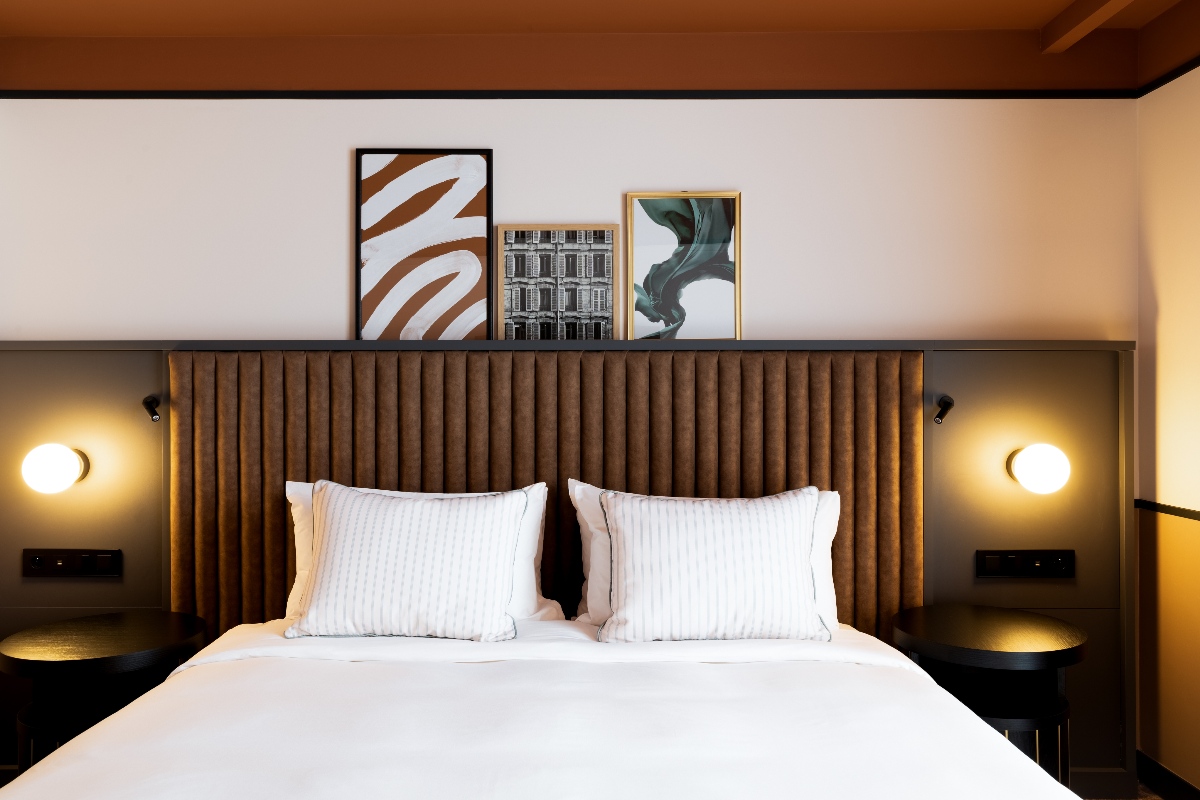
A statement headboard acts as the visual centerpiece of a hotel-style bedroom. In small rooms, it replaces the need for excessive décor by anchoring the entire space. Upholstered headboards add softness and warmth while instantly elevating the room’s perceived value. Tall or wall-mounted designs draw the eye upward, subtly increasing the sense of height. Hotels often choose neutral fabrics like linen or velvet because they feel plush without overpowering the room. This single feature can make even the smallest bedroom feel custom-designed and thoughtfully styled.
3. Floating Furniture for an Airy Look
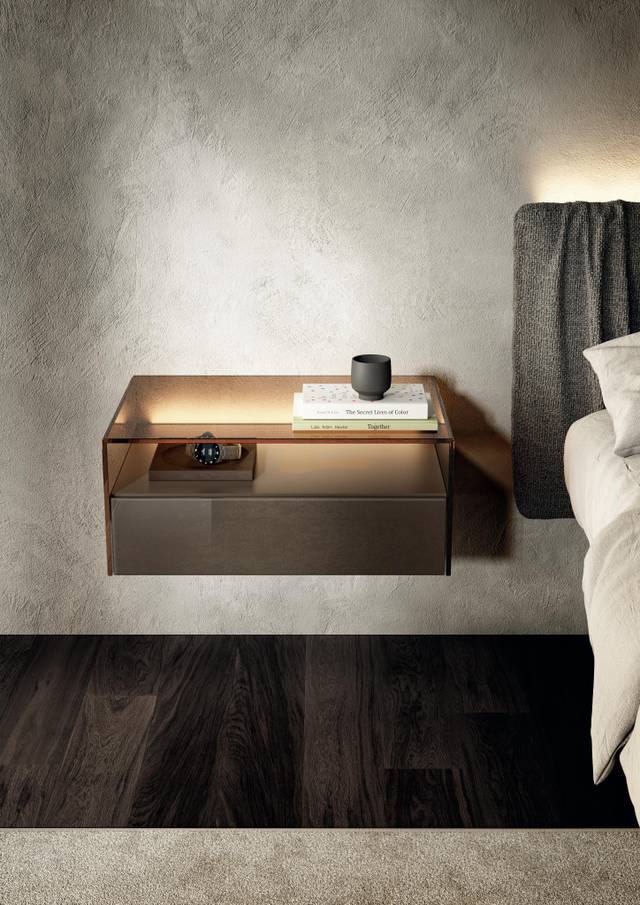
Floating furniture is a clever hotel trick that makes small rooms feel open and uncluttered. Wall-mounted nightstands and shelves keep the floor visible, which visually expands the room. This design approach reduces heaviness and creates a clean, modern aesthetic. Hotels favor floating pieces because they look sleek and intentional while still being functional. In a small bedroom, this choice improves airflow, simplifies cleaning, and enhances the overall sense of luxury. Minimal hardware and smooth finishes further contribute to the high-end, boutique hotel feel.
4. Layered Bedding That Feels Luxurious

Luxury hotel beds look inviting because of thoughtful layering, not excessive decoration. Crisp sheets form the base, followed by a plush duvet and a light throw or quilt. This layering adds depth and softness without overwhelming a small space. Neutral bedding keeps the room visually calm while allowing texture to create interest. Hotels avoid too many pillows, opting instead for symmetry and simplicity. In a small bedroom, well-layered bedding instantly elevates the entire room, making it feel indulgent, cozy, and professionally styled.
5. Warm Ambient Lighting Instead of Harsh Lights

Lighting plays a major role in how expensive a room feels. Hotels rarely rely on a single overhead light. Instead, they use layered lighting—bedside lamps, wall sconces, and subtle LED accents—to create warmth and depth. In small bedrooms, this approach softens shadows and eliminates harsh contrasts. Warm ambient lighting makes the room feel intimate and relaxing, while also highlighting textures and finishes. This lighting strategy turns even a compact bedroom into a cozy, high-end retreat.
6. Full-Room Mirrors to Visually Expand Space

Mirrors are one of the most effective tools for making small rooms feel larger. Hotels strategically place full-length or wall-mounted mirrors to reflect light and extend visual depth. In compact bedrooms, mirrors help eliminate dark corners and create the illusion of additional space. When positioned opposite a window or light source, they amplify brightness throughout the room. Beyond functionality, mirrors add elegance and symmetry, reinforcing the polished, hotel-style aesthetic.
7. Minimal Decor for a Clean Hotel Finish
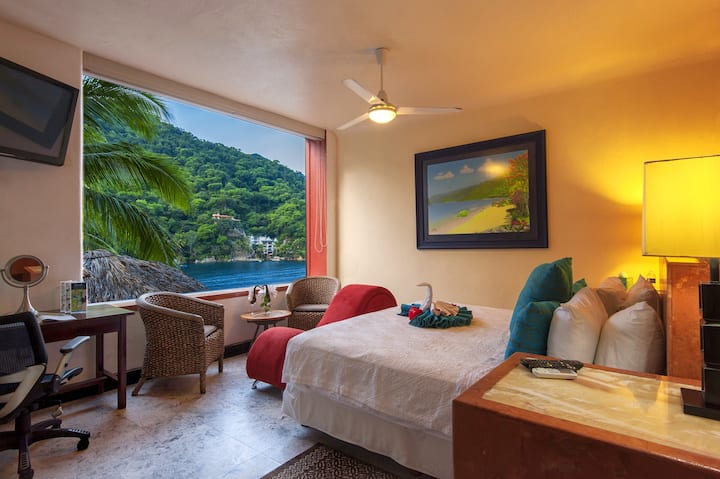
Luxury hotels embrace minimalism because it keeps rooms feeling calm and organized. Instead of cluttering surfaces with décor, they focus on a few carefully chosen pieces. In small bedrooms, minimal décor prevents visual overload and allows architectural elements to stand out. A single piece of artwork, a sculptural lamp, or a textured accent can elevate the entire space. This restraint creates a sense of intention, making the room feel thoughtfully designed rather than crowded.
8. Built-In Storage That Disappears Visually

Clutter is the fastest way to make a small room feel cheap. Hotels solve this problem with built-in and hidden storage that blends seamlessly into the room. Wardrobes that match wall colors, under-bed drawers, and recessed shelving keep belongings out of sight. This approach maintains clean lines and visual calm. In small bedrooms, hidden storage allows the design to shine while preserving functionality, resulting in a refined and spacious appearance.
9. Floor-to-Ceiling Curtains for Height
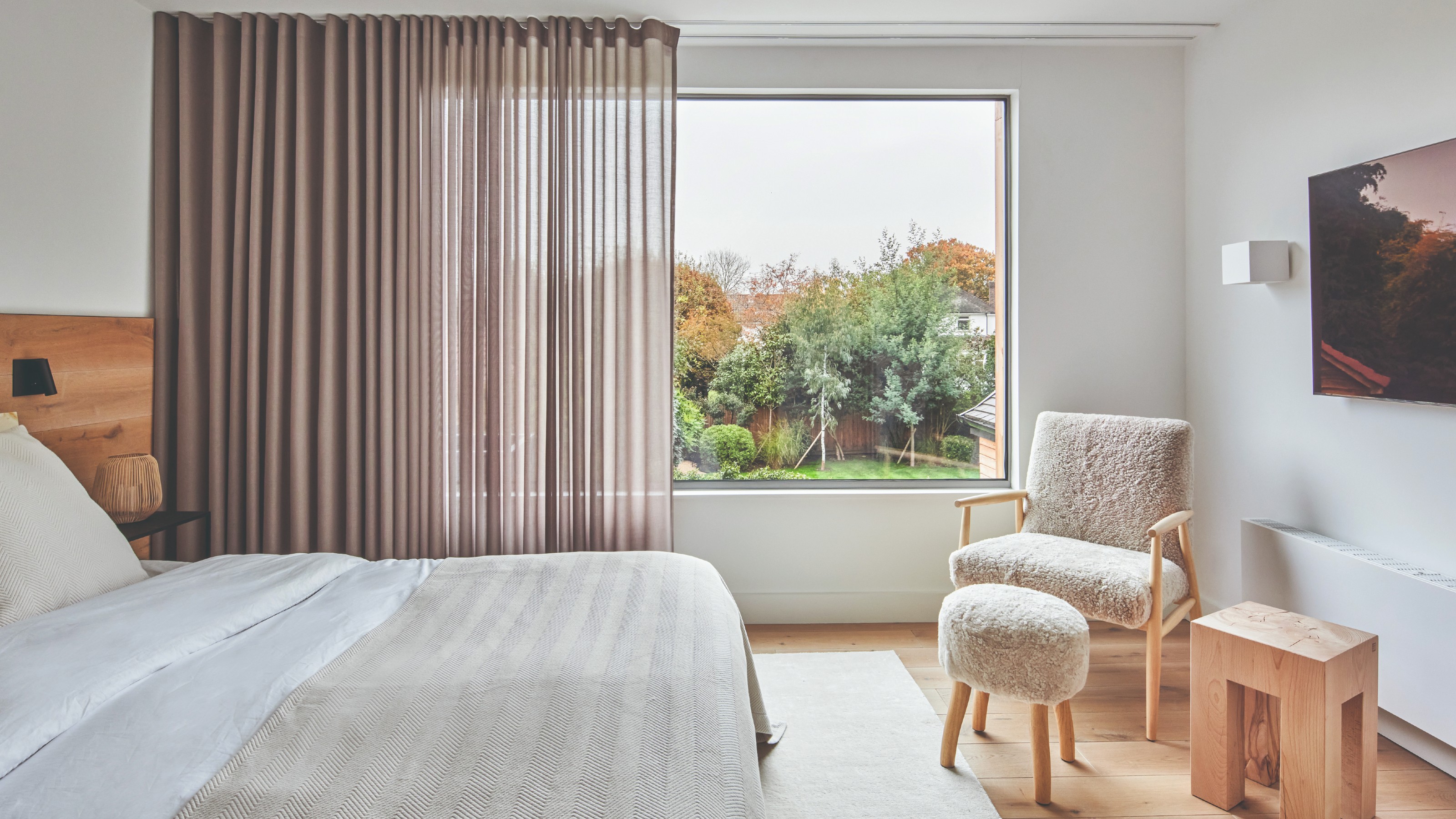
Hotels often use floor-to-ceiling curtains to enhance vertical space. Hanging curtains close to the ceiling draws the eye upward, making walls appear taller. Soft fabrics add movement and elegance without overwhelming the room. In small bedrooms, this technique creates a sense of grandeur and softness. Neutral curtain colors blend seamlessly with the overall palette, reinforcing a calm and luxurious atmosphere.
10. Subtle Accent Wall with Texture

Rather than bold colors, hotels rely on texture to create visual interest. Textured accent walls—wood panels, fabric finishes, or subtle wallpaper—add depth without shrinking the room. In small bedrooms, this approach creates a focal point while maintaining balance. A textured wall behind the bed enhances luxury and sophistication, giving the room character without visual noise.
11. Balanced Symmetry for a Polished Look

Symmetry brings instant order and elegance to a bedroom. Hotels use balanced layouts to create harmony and calm. Matching bedside tables, lamps, or pillows frame the bed beautifully and make the room feel intentional. In small spaces, symmetry reduces visual chaos and enhances the sense of luxury. This design principle makes even compact rooms feel professionally styled and serene.
12. Slim Furniture That Fits the Space

Hotels carefully select furniture that fits the room’s scale. Slim, streamlined pieces prevent overcrowding and maintain openness. In small bedrooms, compact furniture allows for movement and airflow. Tall wardrobes, narrow benches, and minimal seating provide function without dominating the space. This balance ensures the room feels both practical and elegant.
13. Texture-Rich Neutrals for Depth
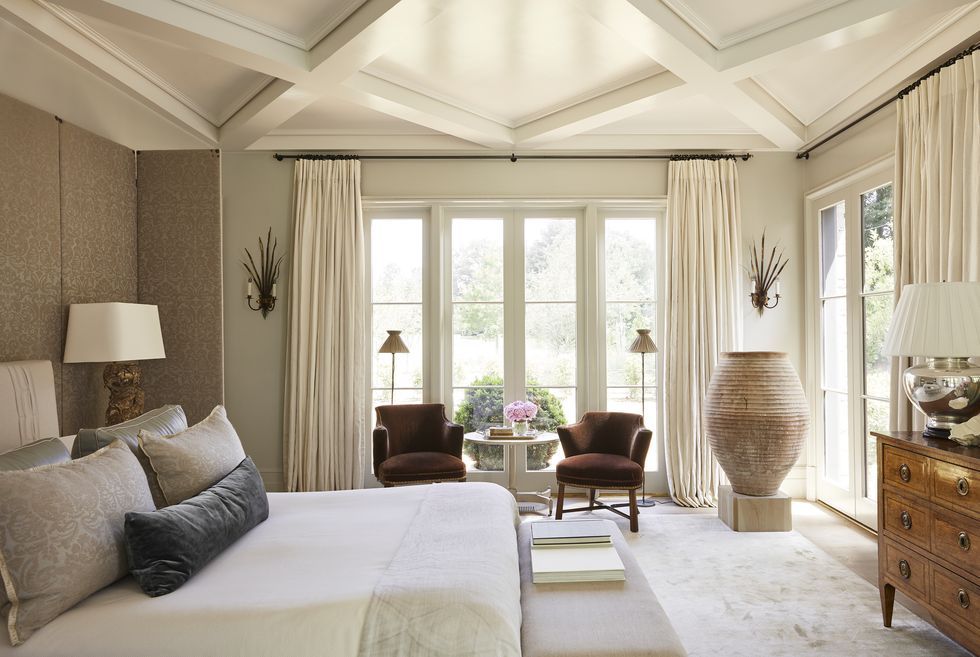
Texture is what makes neutral rooms feel luxurious. Hotels layer materials like linen, wool, wood, and soft rugs to create richness without color overload. In small bedrooms, textured neutrals add warmth and depth while keeping the space calm. This subtle complexity elevates the entire room, making it feel cozy, refined, and expensive.
14. Floating Shelves Styled Lightly

Floating shelves provide storage and display space without visual heaviness. Hotels style shelves minimally, showcasing only a few curated items. This approach keeps the room open and uncluttered. In small bedrooms, floating shelves offer function while maintaining a clean, high-end appearance. The key is restraint—less styling creates more impact.
15. Matte Finishes for a Premium Feel

Matte finishes absorb light softly, creating a calm and refined atmosphere. Hotels often use matte black, brushed brass, or muted metal finishes to enhance sophistication. In small bedrooms, matte hardware avoids glare and visual noise. This subtle detail contributes significantly to the overall luxury feel of the room.
16. Calm Artwork That Completes the Room

Artwork in hotel bedrooms is chosen to support the mood, not distract from it. Soft abstracts, muted landscapes, or minimal photography complement neutral palettes beautifully. In small rooms, one well-placed piece is more effective than multiple frames. Thoughtful artwork adds personality while maintaining serenity and balance.
17. Sensory Touches That Feel Five-Star

Luxury extends beyond visuals. Hotels engage all senses to create memorable experiences. Soft textiles, warm lighting, and subtle scents work together to elevate a space. In small bedrooms, these sensory details complete the transformation, making the room feel indulgent and welcoming. This final layer is what truly makes a bedroom feel expensive.
Final Conclusion
A small bedroom can feel just as luxurious as a hotel suite when designed with purpose. By focusing on neutral tones, balanced layouts, soft lighting, and refined textures, you can create a space that feels calm, stylish, and high-end—no extra square footage required.