19 Genius Bedroom Ideas for Small Rooms That Actually Work
Each idea includes clear, practical explanation and one image placed directly under the heading, just like a real interior blog. The ideas focus on space, comfort, and visual expansion—not just looks.
1. Use Light Colors to Instantly Open Up Space

Light colors like white, cream, soft beige, and pale gray reflect natural light and make a small bedroom feel airy instead of boxed in. Painting walls and ceilings in similar light shades removes harsh visual breaks, helping the room appear taller and wider. If pure white feels boring, add warmth with soft textures like linen bedding or a light wood floor. This simple change alone can make a dramatic difference without spending much.
2. Choose a Bed with Built-In Storage

A storage bed is one of the smartest upgrades for a small bedroom. Drawers or lift-up compartments under the bed replace bulky wardrobes and extra cabinets. You can store seasonal clothes, extra bedding, or shoes without cluttering the room. This keeps the floor clean and visually calm, which is essential for making small rooms feel organized and spacious.
3. Go Vertical with Wall Storage
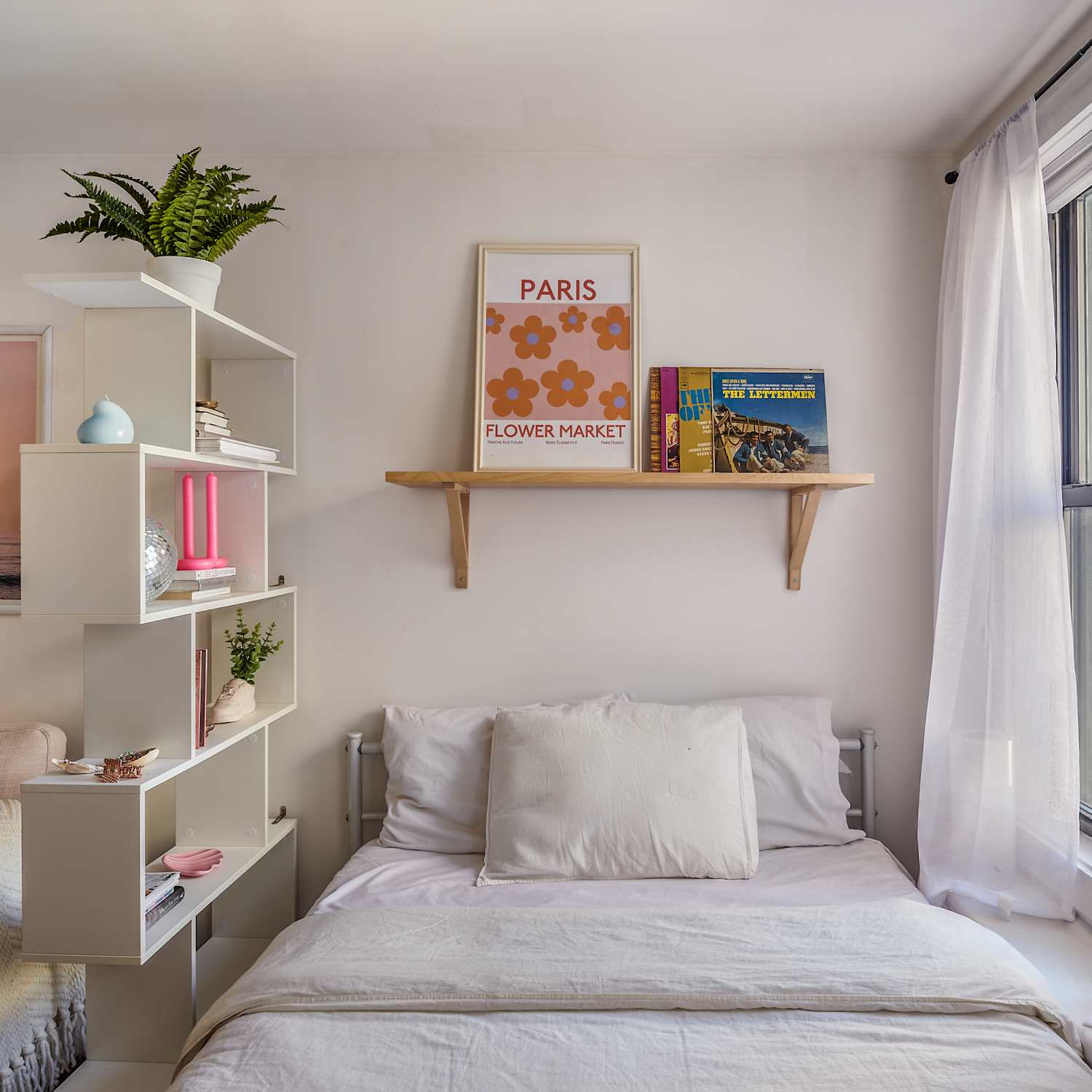
When floor space is limited, walls become your best friend. Vertical shelving, tall bookcases, or wall-mounted cabinets use height instead of width. This draws the eye upward, making the room feel taller. Keep shelves minimal and organized—too many items can feel messy. Use baskets or matching boxes for a clean, cohesive look.
4. Add a Large Mirror to Create Depth

Mirrors visually double the size of a room by reflecting light and space. A full-length mirror placed opposite a window works especially well, as it spreads natural light throughout the room. You can lean it against a wall or mount it on a closet door to save space. Mirrors are one of the easiest and most budget-friendly tricks for small bedrooms.
5. Pick Multi-Functional Furniture
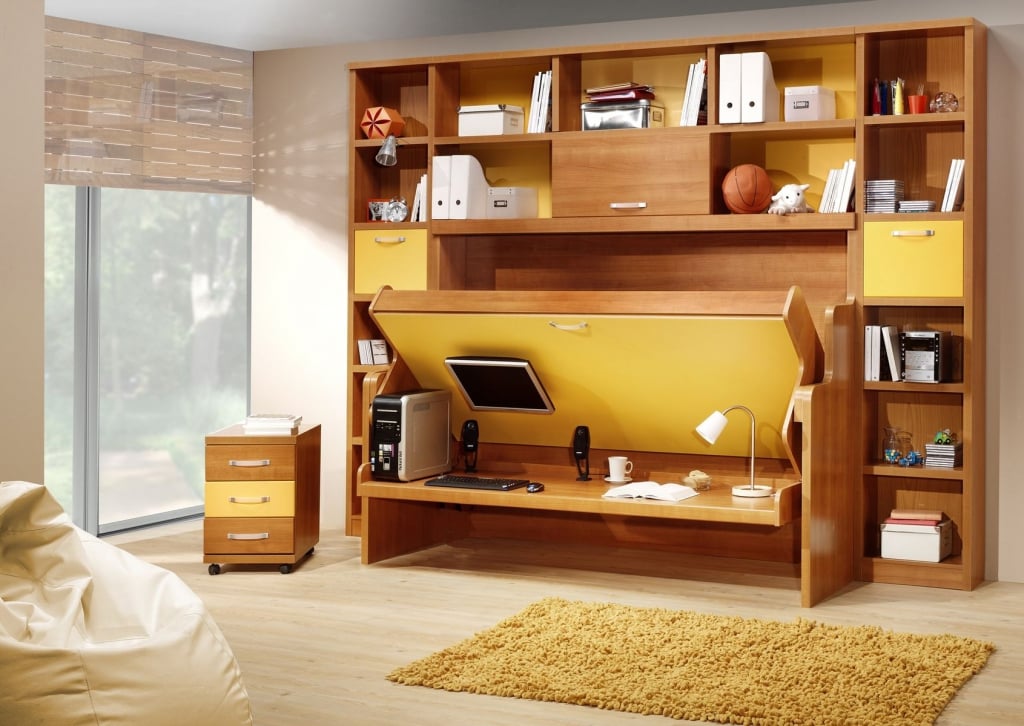
Furniture that serves more than one purpose is essential in small rooms. Think beds with storage, desks that act as nightstands, or ottomans that open for storage. These pieces reduce the total number of items in the room while increasing functionality. Fewer furniture pieces mean better movement and a more open feel.
6. Keep Furniture Low to the Ground

Low-profile beds and furniture create the illusion of higher ceilings. When furniture sits closer to the floor, there’s more visible wall space above it, which makes the room feel less cramped. This works especially well in modern or minimalist bedrooms. Pair low furniture with simple bedding for a clean, relaxing look.
7. Use Sliding or Pocket Doors

Traditional swing doors take up valuable floor space. Sliding or pocket doors remove that problem completely. They’re perfect for closets or even bedroom entrances in tight layouts. This small architectural change can free up enough space for an extra shelf, chair, or simply better movement.
8. Stick to a Minimal Color Palette

Too many colors can visually shrink a room. A limited palette of two or three shades keeps the bedroom calm and cohesive. For example, white walls, light wood furniture, and soft gray bedding create balance without chaos. Texture—not color—is where you add interest in small rooms.
9. Use Wall-Mounted Lighting Instead of Lamps
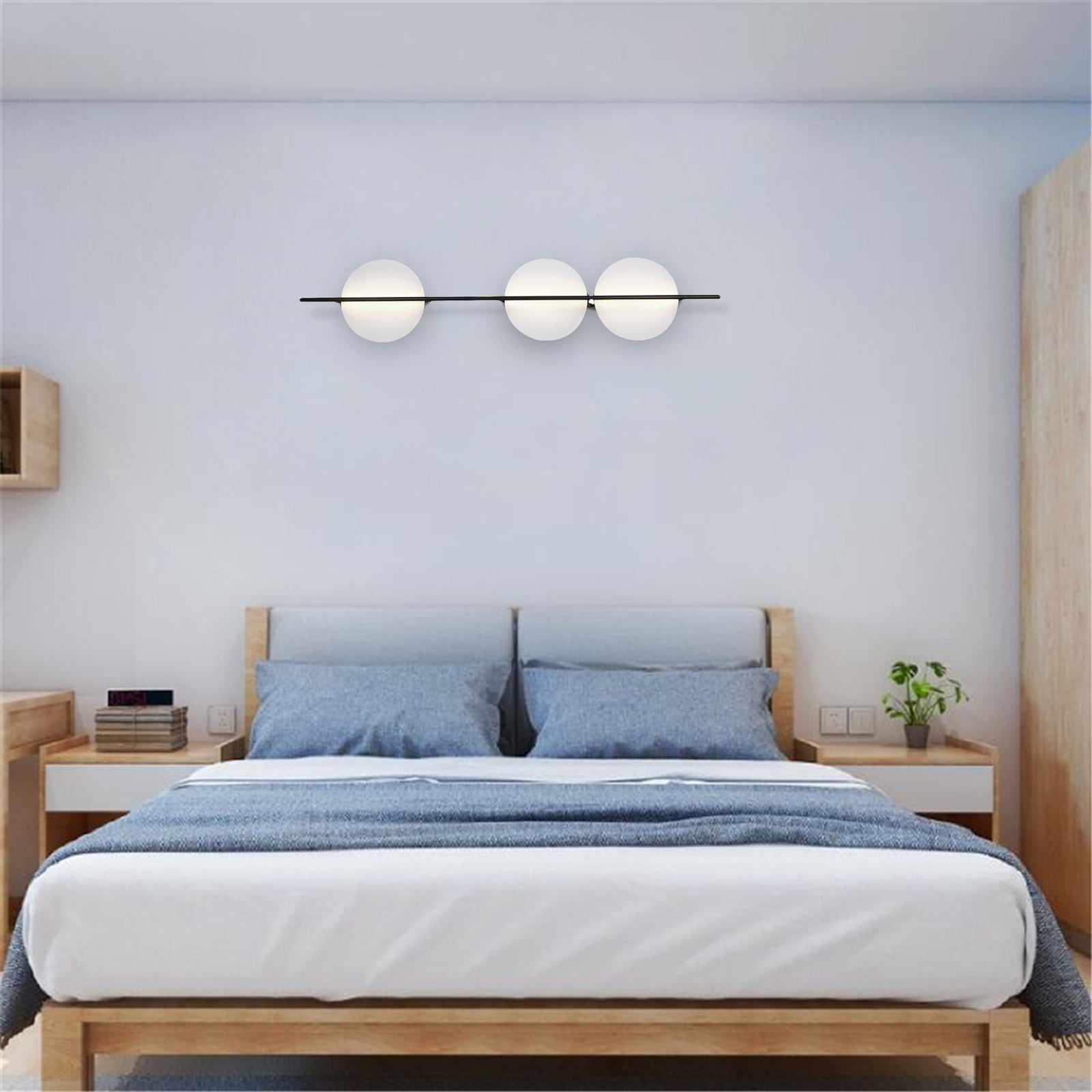
Table lamps take up precious surface space on nightstands. Wall-mounted lights or sconces free up that space while still providing good lighting. They also add a stylish, hotel-like feel to the bedroom. Choose adjustable lights so you can use them for both reading and ambient lighting.
10. Choose Sheer Curtains for Natural Light
Heavy curtains block light and make small rooms feel closed in. Sheer or lightweight curtains allow sunlight to pass through while maintaining privacy. Natural light instantly makes a room feel larger and more inviting. Hang curtains closer to the ceiling to visually increase height.
11. Install Floating Nightstands

Floating nightstands save floor space and keep the room looking uncluttered. Because the floor underneath remains visible, the room feels more open. These are perfect for holding essentials like a phone, book, or lamp without the bulk of traditional furniture.
12. Use Under-Bed Space Smartly

If a storage bed isn’t an option, use containers or rolling boxes under the bed. This hidden storage is ideal for items you don’t need daily. Keeping clutter out of sight helps maintain a clean and spacious feel. Always choose matching containers for a neat look.
13. Opt for Built-In Wardrobes
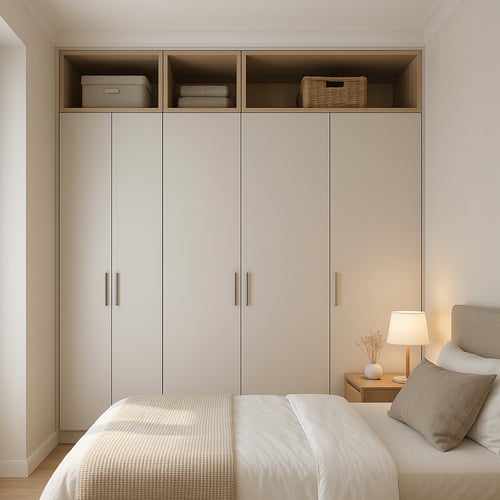
Built-in wardrobes fit perfectly into the room layout, unlike bulky standalone cupboards. They can go from floor to ceiling, maximizing storage without wasting space. Choose light-colored or mirrored doors to avoid a heavy look.
14. Keep Décor Simple and Intentional

In small bedrooms, every decorative item should have a purpose. Too many frames, cushions, or accessories can feel overwhelming. Choose a few meaningful pieces—like one artwork or a plant—to add personality without clutter. Simplicity always wins in small spaces.
15. Use Rugs to Define Space

A well-placed rug can visually organize the room and make it feel intentional. Choose a rug large enough to extend under the bed to avoid chopping up the space. Soft colors or subtle patterns work best to maintain openness.
16. Go for Smart Closet Organization
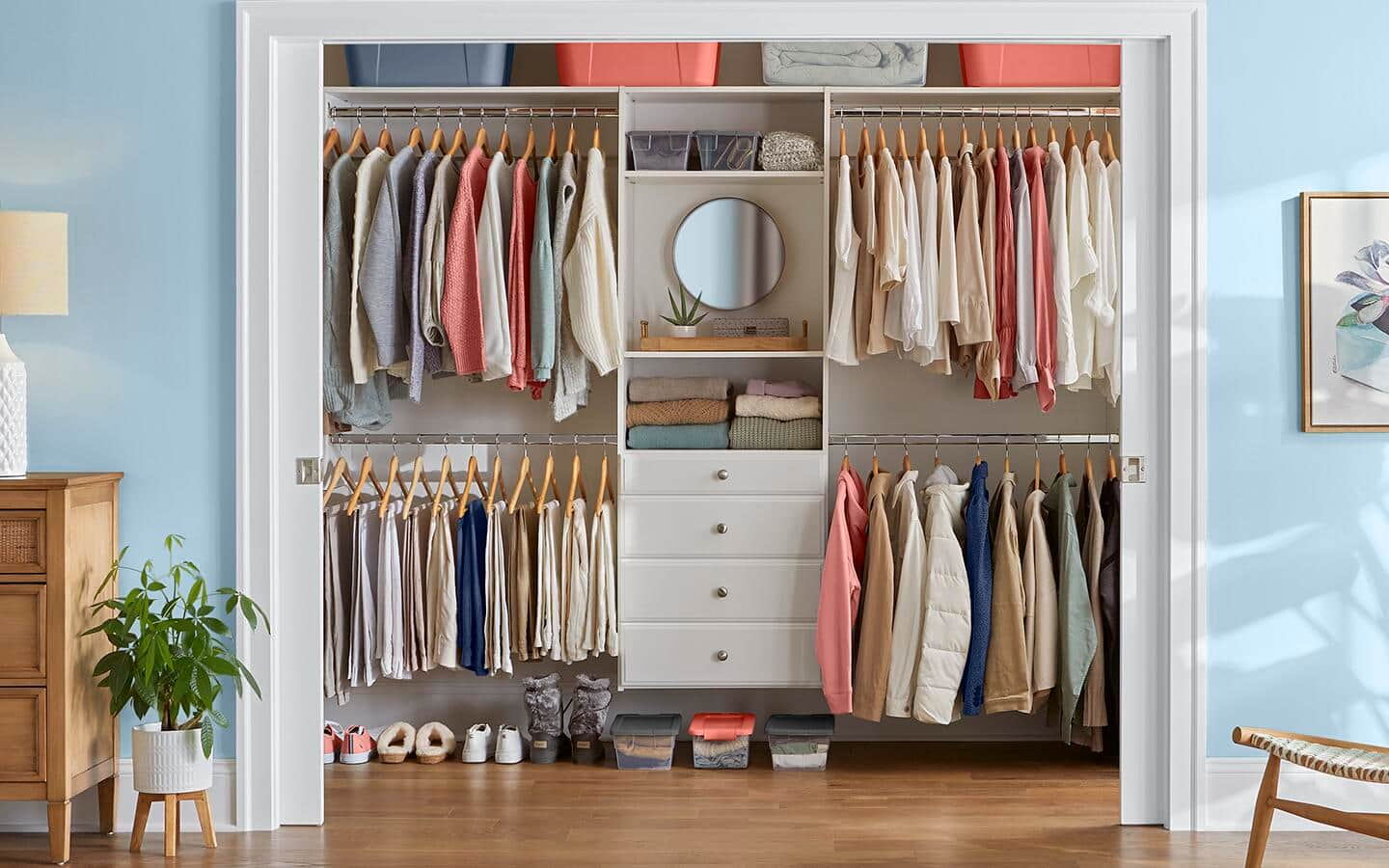
Even a small closet can hold a lot if organized properly. Use vertical dividers, hanging organizers, and slim hangers. A tidy closet reduces overflow into the bedroom, helping the entire space feel more controlled and spacious.
17. Use Reflective or Glossy Surfaces

Glossy finishes, glass tables, or mirrored furniture reflect light and reduce visual heaviness. These surfaces prevent furniture from looking bulky. Even small touches—like a glossy nightstand—can help brighten the room.
18. Create a Cozy Reading Nook Instead of Extra Furniture

Instead of adding unnecessary furniture, create a compact reading corner with a cushion, wall light, and small shelf. This adds function without overcrowding the room. Smart zoning makes a small bedroom feel thoughtfully designed.
19. Keep the Floor as Clear as Possible

The more visible floor space you have, the bigger the room feels. Avoid placing too many items on the floor. Wall-mounted storage and floating furniture help keep the floor open, creating a clean and breathable bedroom environment.