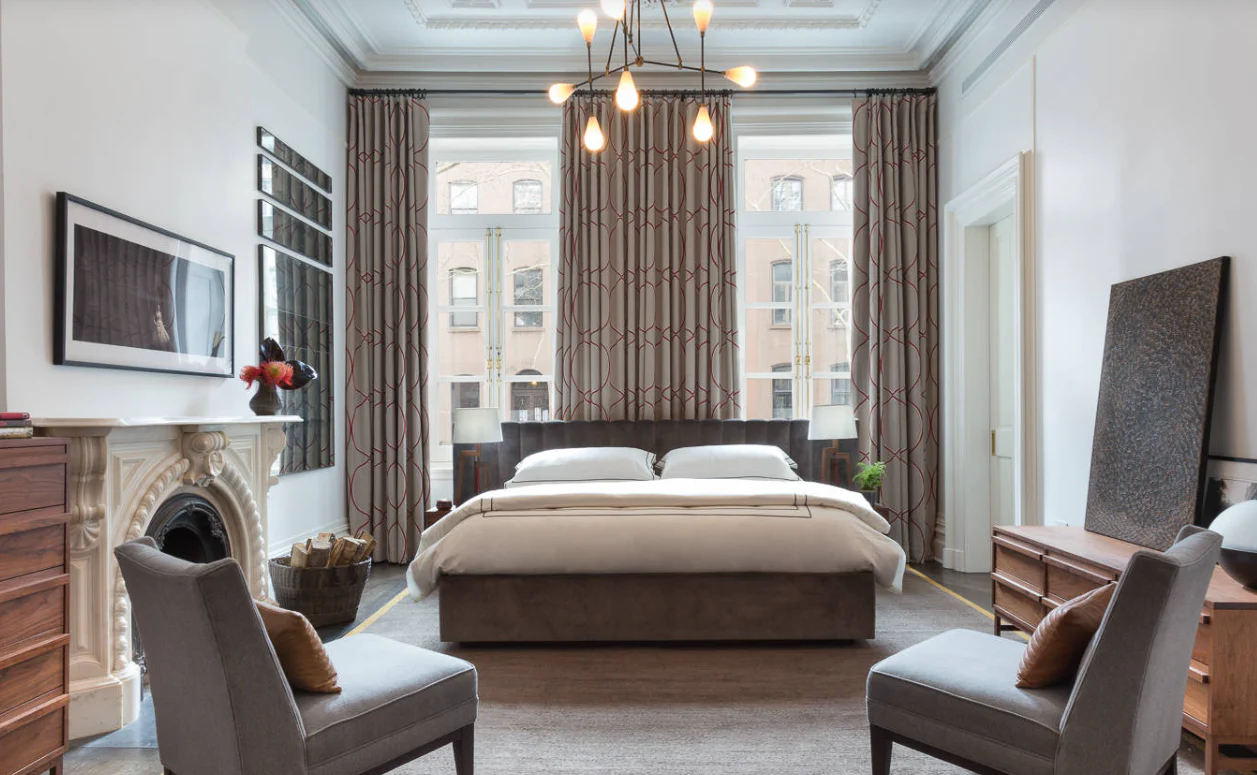
19 Smart Modern Living Room Ideas That Make Small Spaces Look Huge
Designing a small living room can feel challenging, but modern design principles make it easier than ever to create the illusion of space. By using light, proportion, layout intelligence, and visual flow, even compact rooms can feel open, airy, and luxurious. These ideas focus on what actually works in real homes, not just in staged interiors.
1. Use Light Neutral Color Palettes

Light neutral colors are one of the most powerful tools for visually expanding a small living room. Shades like white, off-white, beige, soft gray, and warm cream reflect natural and artificial light instead of absorbing it. This reflection makes walls appear farther apart and prevents the room from feeling boxed in. Neutral tones also reduce visual contrast, allowing the eye to move freely across the space. When walls, ceilings, and even furniture share similar light tones, the room feels unified and calm rather than fragmented. This cohesion creates the illusion of openness and makes the living room feel significantly larger than it is.
2. Choose Low-Profile Furniture
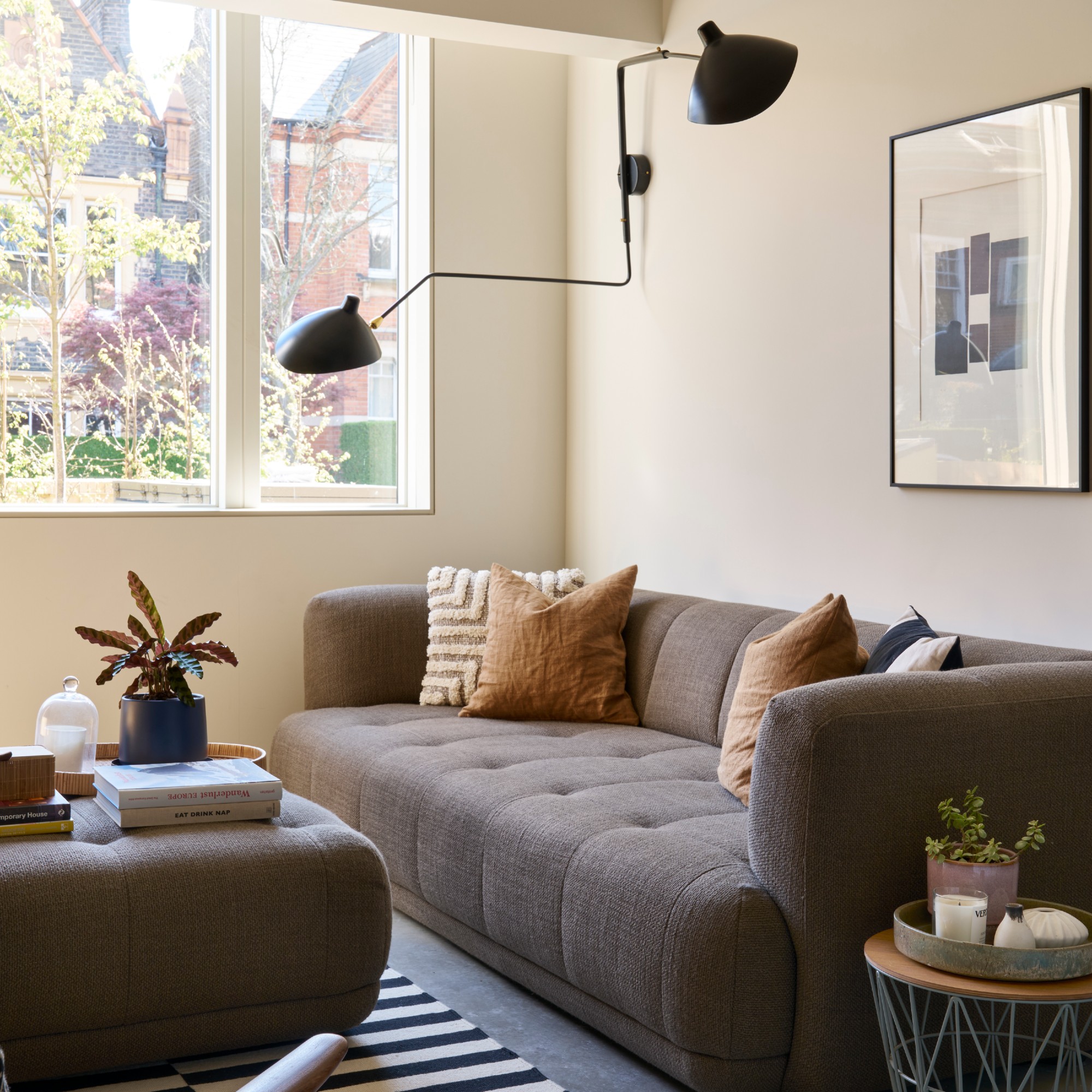
Low-profile furniture plays a major role in making small spaces feel bigger. Sofas, chairs, and tables that sit closer to the ground leave more visible wall and window space above them, which visually increases room height. Bulky, oversized furniture dominates a small room, while sleek modern pieces with slim frames feel lighter and more refined. Low-profile seating also improves sightlines across the room, preventing visual blockages. The result is a living room that feels open, modern, and breathable without sacrificing comfort or style.
3. Add Large Mirrors Strategically

Mirrors are a classic but incredibly effective trick for making small living rooms look larger. A well-placed mirror reflects both light and space, instantly doubling the visual depth of the room. Positioning a mirror opposite a window maximizes natural light and creates a bright, airy feel. Large mirrors work better than small ones because they reduce visual clutter and create a continuous reflection. In modern interiors, frameless or thin-frame mirrors blend seamlessly into the design, enhancing openness without drawing attention away from the room itself.
4. Mount the TV on the Wall

Wall-mounting your television is a smart way to reclaim valuable floor space in a small living room. Traditional TV units are often deep and bulky, visually shrinking the room. By mounting the TV, you eliminate unnecessary furniture and keep the layout clean and streamlined. This also allows you to use slim floating shelves or minimal consoles for storage. The wall-mounted approach keeps the eye level higher, improving vertical balance and making the room feel taller and more spacious overall.
5. Opt for Furniture With Exposed Legs
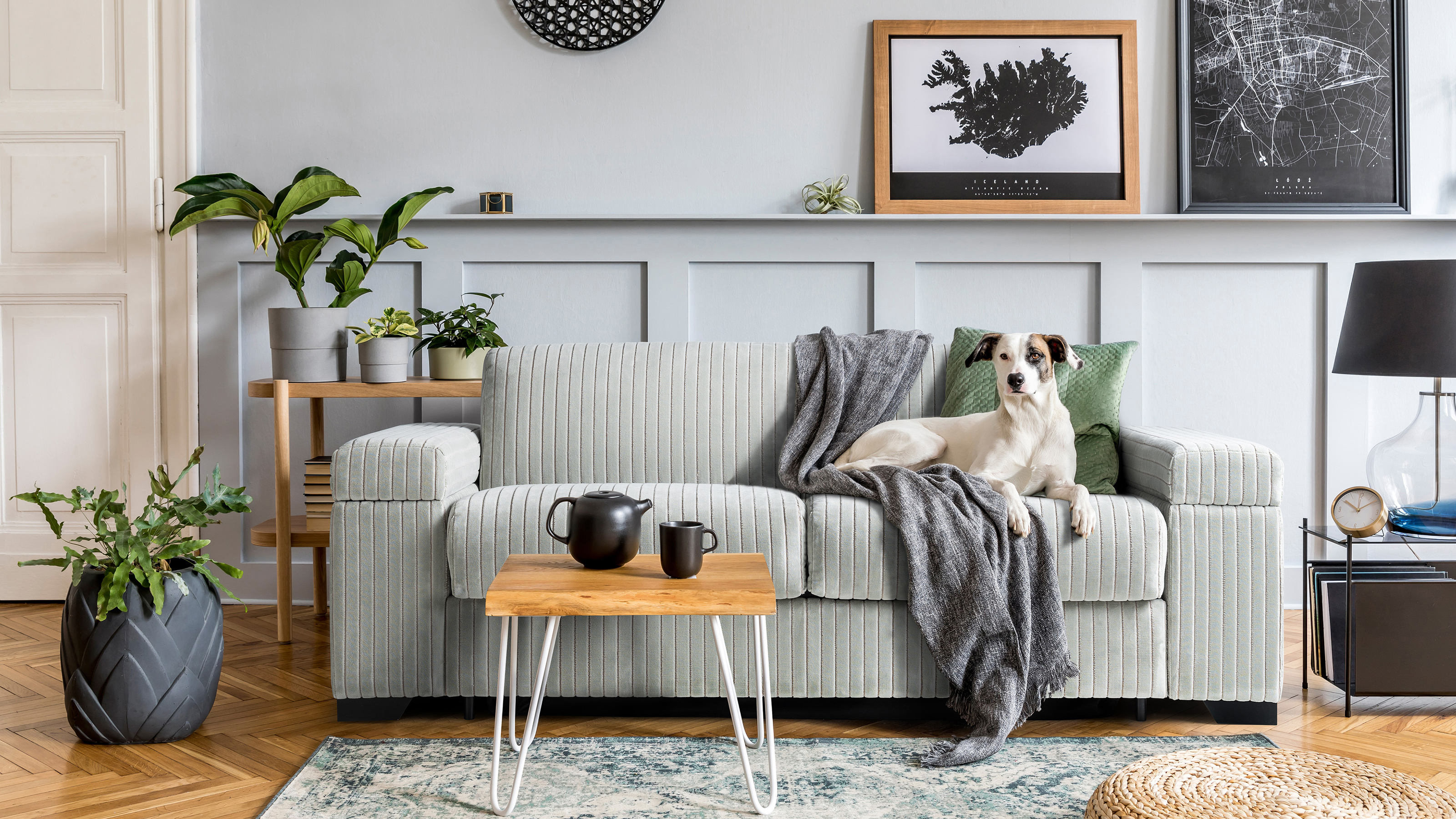
Furniture with exposed legs creates visual lightness in a small living room. When you can see the floor beneath sofas, chairs, and tables, the room feels less crowded and more open. Solid furniture that sits flat on the floor blocks visual flow and makes the space feel heavier. Exposed legs allow light to pass through, enhancing the sense of depth. In modern design, slim metal or wooden legs add elegance while maintaining a clean, airy look that benefits compact spaces.
6. Stick to a Minimal Color Scheme

A limited color palette keeps a small living room visually organized and calm. Using too many colors creates visual breaks that make a space feel smaller and more chaotic. A monochrome or near-monochrome scheme allows walls, furniture, and décor to blend seamlessly. Subtle variations in tone add interest without overwhelming the eye. This continuity creates a smooth visual flow, which tricks the brain into perceiving more space. Modern interiors thrive on simplicity, and small rooms benefit the most from this approach.
7. Use Vertical Lines and Tall Curtains

Vertical elements naturally draw the eye upward, making ceilings appear higher. Floor-to-ceiling curtains are especially effective when hung close to the ceiling rather than the window frame. This elongates the walls and enhances room proportions. Vertical wall panels, tall shelving, or subtle striped textures can reinforce this effect. In small living rooms, emphasizing height rather than width helps counteract cramped floor dimensions and creates a more balanced, spacious feel.
8. Choose Glass or Acrylic Furniture

Transparent furniture pieces are ideal for small spaces because they reduce visual weight. Glass or acrylic coffee tables, side tables, and even chairs allow light to pass through, preventing the room from feeling cluttered. Although the furniture is still functional, it visually “disappears,” which keeps the space open. Modern interiors often rely on this trick to maintain elegance while maximizing space perception. It’s a subtle yet powerful way to enhance openness.
9. Keep the Floor Visible

Visible flooring plays a key role in making a room feel larger. When too many rugs or heavy patterns break up the floor, the space feels segmented and smaller. Keeping large portions of the floor exposed creates uninterrupted visual flow. If you use a rug, choose one that defines the seating area without covering the entire room. Clean, visible flooring enhances depth and creates a sense of continuity that expands the room visually.
10. Use Floating Shelves Instead of Cabinets

Floating shelves provide storage without the heaviness of traditional cabinets. They keep the floor clear, which is essential in small living rooms. Because floating shelves don’t extend all the way down, they create breathing room and maintain openness. When styled minimally, they also double as décor elements. This approach combines functionality with modern aesthetics while preserving the illusion of space.
11. Incorporate Built-In Storage

Built-in storage uses wall depth efficiently and reduces the need for extra furniture. Custom shelves, wall niches, or built-in seating with storage help keep the living room organized and clutter-free. When storage is integrated into the architecture, it feels intentional rather than intrusive. This clean look prevents visual overload and makes the space feel larger and more refined.
12. Let Natural Light Take Center Stage

Natural light instantly transforms small living rooms. Heavy curtains or dark window treatments block light and shrink the space visually. Sheer fabrics or uncovered windows allow sunlight to flood the room, enhancing brightness and openness. Natural light also highlights textures and colors, making the space feel alive and expansive. The brighter the room, the larger it appears.
13. Choose a Large Area Rug
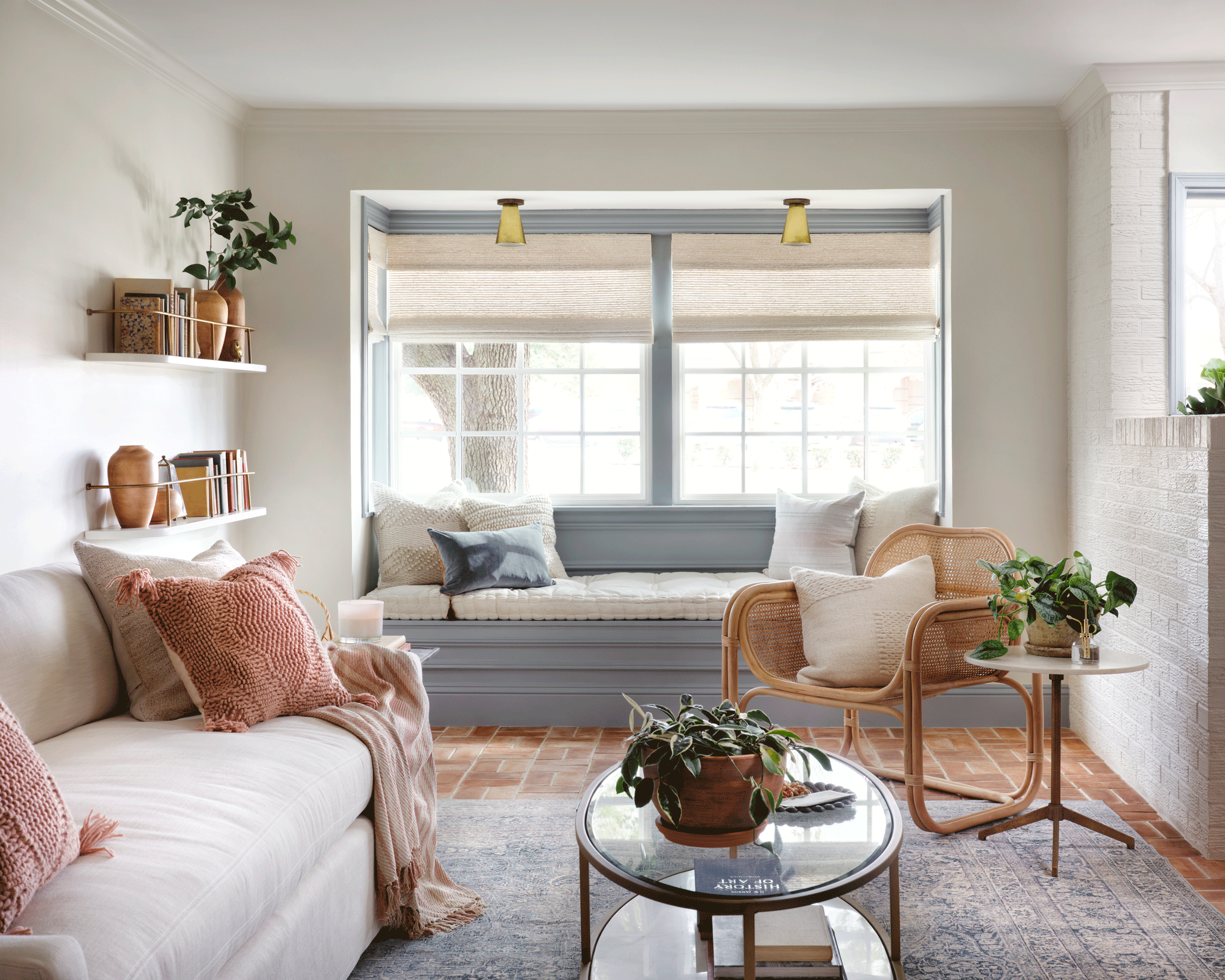
A larger rug can actually make a small living room feel bigger. Small rugs create visual boundaries that shrink the space. A properly sized rug unifies the seating area and reduces fragmentation. When furniture legs rest on the rug, the room feels cohesive and grounded. This continuity visually expands the space rather than dividing it.
14. Keep Wall Art Simple and Oversized

Too many small frames clutter a small living room. One large piece of wall art creates a strong focal point without overwhelming the space. Oversized art draws the eye outward, enhancing scale perception. Modern artwork with simple colors and clean lines works best for maintaining openness and balance.
15. Use Hidden Lighting Layers

Layered lighting adds depth without taking up space. Recessed lights, LED strips, and wall washers illuminate the room evenly and eliminate the need for bulky fixtures. Soft ambient lighting enhances shadows and highlights, making the room feel deeper and more dynamic. Well-lit spaces always appear larger.
16. Go for Multi-Functional Furniture
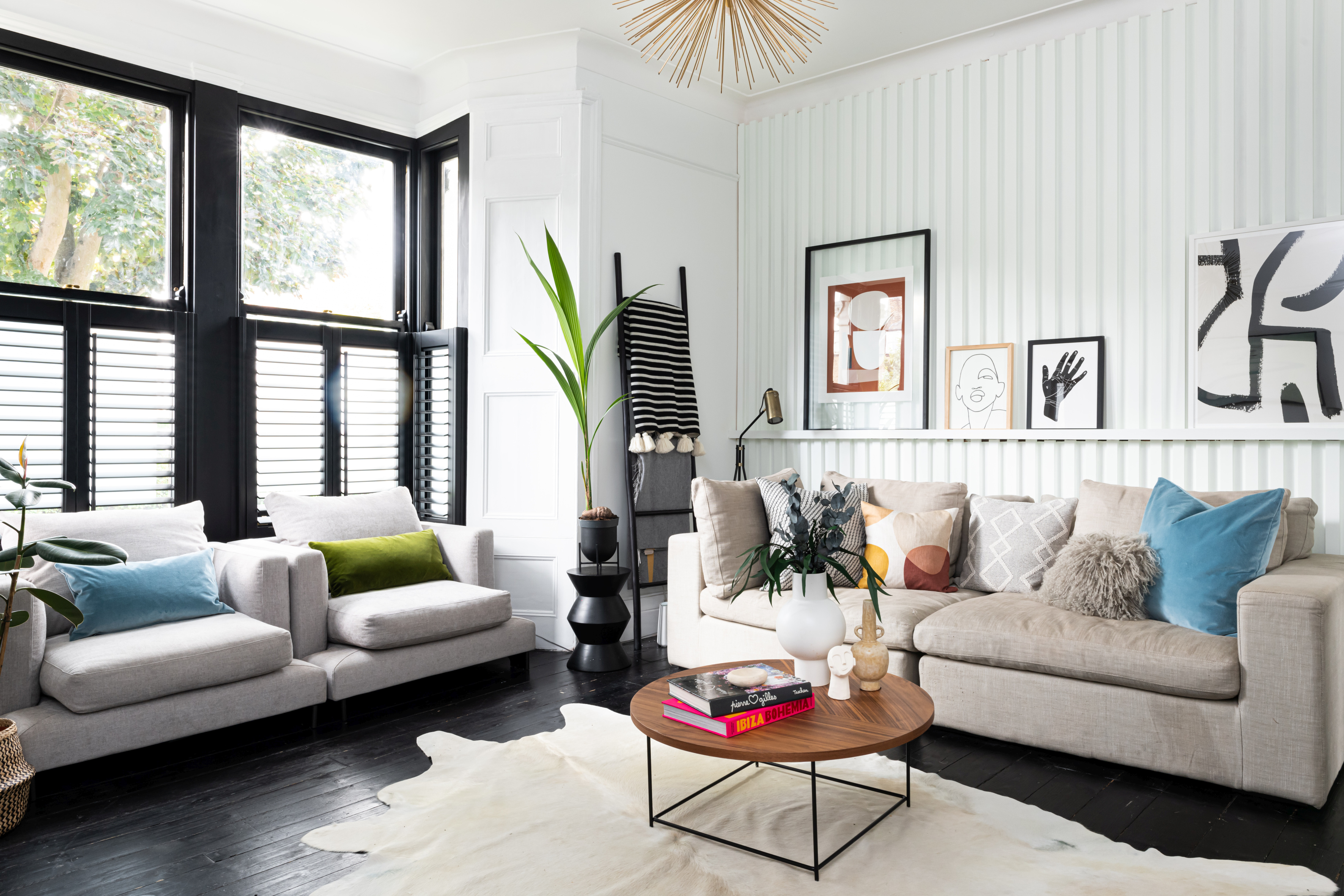
Multi-functional furniture reduces clutter by combining multiple uses into one piece. Storage ottomans, sofa beds, or nesting tables eliminate the need for extra furniture. Fewer items mean more open space, better movement, and improved visual clarity. This efficiency is essential in small modern living rooms.
17. Avoid Heavy Visual Dividers

Solid partitions break visual flow and make rooms feel cramped. Open layouts or subtle dividers like rugs and lighting zones maintain separation without closing off space. Visual continuity across areas makes the living room feel wider and more connected.
18. Add Subtle Texture, Not Clutter

Texture adds depth without crowding the room. Soft fabrics, woven cushions, or textured walls introduce interest while maintaining simplicity. Avoid excessive décor and let texture do the work. This keeps the room elegant and spacious.
19. Keep Décor Minimal and Intentional

Intentional décor ensures every piece has purpose. Fewer, well-chosen items keep the room calm and open. Minimalism isn’t about emptiness—it’s about balance. This approach maximizes space perception and creates a refined modern living room.
Conclusion
With smart modern design choices, small living rooms can feel open, stylish, and surprisingly spacious. Focus on light, simplicity, and proportion—and your compact space will transform completely.